
16 October 2026
Trials Events UK: How Classic, Sporting and Car Trials Work and How to Watch or Enter
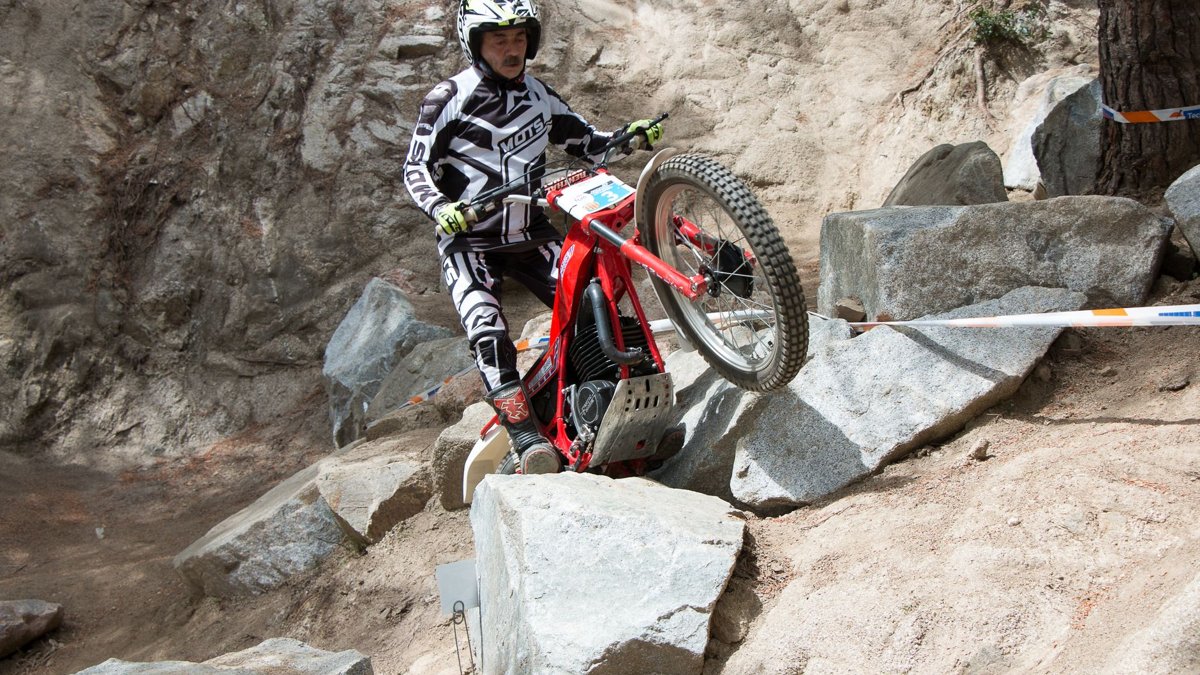
A motorsport trial is a low-speed test of car control and driver nerve where the goal is to climb a slippery, steep, off-road section without stopping or rolling backwards. There is no stopwatch chasing you — you are scored on how far up a marked hill you get before you lose grip. Trials events in the UK run from autumn through to spring, mostly on muddy farm tracks and heathland, and they are one of the cheapest and most welcoming ways into car motorsport you will find.
If you are searching for trials events UK, it helps to know that "trials" covers several quite different disciplines that share a name. Below is how each one works, what you need to take part, and how to find dates near you.
The three main types of car trial in the UK
When people talk about trials events in UK motorsport, they usually mean one of three things. They look similar on paper but feel very different in practice.
| Type | Cars used | When it runs | Terrain | Best for |
|---|---|---|---|---|
| Classic reliability trial | Road-legal cars, often classics and specials | Oct–Mar, overnight or day events | Long route with muddy hill sections | Driver + passenger teams, navigation fans |
| Sporting trial | Purpose-built lightweight specials | Autumn–spring, single venue | Short, extreme off-road gradients | Hardcore grip hunters, bouncers |
| Production car trial (PCT) | Ordinary road cars | Winter weekends, single field | Grassy or muddy slopes marked with gates | Absolute beginners on a budget |
Classic reliability trials
These are the long-distance, point-to-point events — the famous ones being the Motor Cycling Club's Exeter, Lands End and Edinburgh trials, which have run for over a century. You tackle a route linking a series of named hills, often starting before dawn, and try to clean each section (get to the top) without stopping. Cars range from Austin Sevens and MG Midgets to modern hatchbacks and purpose-built "specials". It is as much about navigation and reliability as it is about grip.
Sporting trials
The most specialised branch. Drivers compete in tiny, lightweight single-seat specials with a passenger acting as a "bouncer" who shifts their weight to help the rear wheels find grip. The sections are brutally steep and short, scored by numbered markers. You will not do this in your road car — but it is brilliant to watch.
Production car trials
The easiest entry point by a mile. You drive your everyday car up a series of marked gates on a muddy or grassy slope. Front-wheel-drive hatchbacks are surprisingly competitive. Tyres must be standard road tyres, and damage is rare because speeds are so low. Many clubs run these specifically as newcomer events.
What it costs to enter a trial
Trials are among the most affordable motorsport you can enter in the UK. A production car trial entry is typically in the region of £20–£40 for club members, with classic reliability trials costing more because the routes are longer and the organisation heavier. Prices vary by club and event, so always check the listing or regulations before you commit — where a specific fee is not published, assume you will need to contact the organising club directly.
On top of entry you will usually need:
- Club membership — most trials are club events, so you join the organising club (often £20–£50 a year).
- A competition licence — for many grassroots trials you only need a free Motorsport UK clubman-style non-race licence, which you can get online.
- A roadworthy car — for PCTs and reliability trials the car must be road-legal, taxed, MOT'd and insured.
There are no major car modifications required for production car trials, which is a big part of the appeal. For the deeper mechanics of signing on and scrutineering, our guide on how to enter your first motorsport event walks through the paperwork step by step.
What you need to take part
- Find a club running trials near you. Trials are organised by local and regional motor clubs. Browsing the motorsport calendar by discipline and region is the quickest way to see who is active.
- Join that club. You usually cannot enter until you are a member, and membership is cheap.
- Get your free licence. Apply through Motorsport UK; the entry-level licence suits most trials.
- Read the regulations ("the regs"). Each event publishes supplementary regulations setting out eligible cars, tyres and classes.
- Turn up with the basics. Wellies, warm clothes, a tow rope and someone to come along as passenger or bouncer.
How scoring works
Trials are not timed races. Each hill or section is marked with numbered boards from the top down — 12 at the start, counting down to 1 near the summit, with a 0 or "clean" board at the very top. You score the number of the last marker you pass before you stop, stall or roll back. Lowest total score wins, so a clean climb past every section scores zero. It rewards smooth throttle control, momentum and reading the ground far more than raw power.
Where and when trials events happen in the UK
Trials season is firmly a winter affair. The whole point is slippery conditions, so most events run between October and March when the ground is wet and grip is at a premium. Venues are rarely circuits — think farmland, forestry tracks, quarries, heathland and private estates across the country, from the West Country classic trials to Scottish and northern club events.
Because venues change and events are club-run, dates move around year to year. The most reliable way to see what is on is to filter listings by discipline and date. The motorsport event map lets you see trials and other fixtures by location, and the full UK motorsport events list covers the lot across every discipline.
Watching trials as a spectator
Trials are a great free day out for spectators. You can stand right beside the action — often close enough to hear tyres scrabbling for grip and engines bogging down in the mud. Entry for spectators is frequently free or a small donation, though parking and access vary by venue, so check with the organising club first. Wrap up warm, wear boots, and expect to walk.
If you want to see how trials sit alongside speedway, hill climbs, sprints and circuit racing, our spectator's guide to UK motorsport explains each discipline and what to expect at the gate. And if you fancy helping rather than just watching, clubs are always short of volunteers — see how to become a motorsport marshal.
Trials vs road rallies and other beginner events
Trials sit alongside 12-car rallies as the two classic low-cost ways into car motorsport. The difference is simple: a 12-car is a night-time navigation event on public roads at strict speed limits, while a trial is about conquering off-road gradients. Both are run by the same local clubs, both are cheap, and both welcome complete beginners. If grip and hills appeal more than map reading, trials are your event. If you later want sealed-tarmac track time instead, our sister site has a full UK and European trackday list.
Frequently asked questions
Do I need a special car to enter a trial?
No. For a production car trial you can use your ordinary road car on standard road tyres — front-wheel-drive hatchbacks do very well. Only sporting trials require purpose-built specials; classic reliability trials accept road-legal cars of all ages.
Do I need a licence for trials events in the UK?
For most grassroots trials you need a free Motorsport UK entry-level licence, which you can apply for online, plus membership of the organising club. Larger or multi-venue events may require a higher-grade licence, so always check the event regulations.
When is the UK trials season?
Mainly October to March. Trials rely on wet, slippery ground to create a challenge, so they are a winter sport. Expect mud, cold and early starts, especially for the classic reliability trials that run overnight.
How much does it cost to try a trial?
Entry for a production car trial is often around £20–£40 for members, making it one of the cheapest forms of UK motorsport. Add club membership and a free licence and you can get started for well under £100. Where a fee is not listed, contact the organising club.
Finding your first trial
Trials reward patience, a light throttle foot and a willingness to get muddy far more than a big budget or a fast car. Pick a production car trial with a local club, read the regs, grab a passenger and have a go. To see which clubs are running events near you this season, browse trials and every other discipline on the motorsport calendar.
Looking for an event? Browse every UK motorsport event, see the calendar.