
10 October 2026
How to Become a Motorsport Marshal in the UK: Free Training, First Days and What to Expect
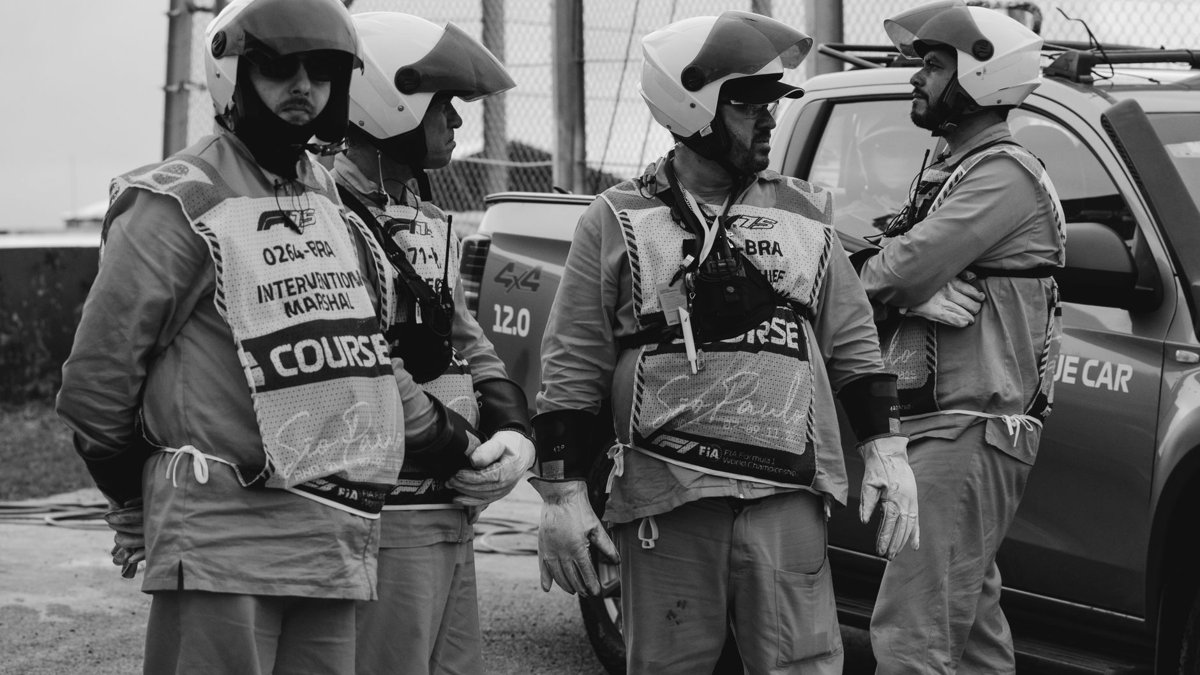
Becoming a motorsport marshal in the UK is free, open to almost anyone over 16, and usually takes just one weekend to go from signing up to standing trackside at a real event. You register with Motorsport UK (or a recognised club), attend a short training day, then volunteer at a few events as a trainee before your grade is signed off. No racing experience, no licence and no special equipment are needed to start — the clubs provide what you need and the training is designed for complete beginners.
Here is exactly how the process works, what each step costs, and what your first day at the circuit will actually be like.
What a motorsport marshal actually does
Marshals are the volunteers who keep motorsport running safely. They stand at posts around the circuit, watch their section of track, warn drivers of hazards with flags, clear incidents, recover stranded cars and are first on the scene when something goes wrong. Without enough marshals, an event simply cannot run — the licence to hold a meeting depends on having the required number of trained personnel.
There are several specialist roles, and most marshals try a few before settling on one:
- Flag (post) marshal — displays signal flags to warn and instruct drivers.
- Incident marshal — attends accidents, deals with fire and fluid spills, and helps extract drivers.
- Track (recovery) marshal — moves disabled cars and clears debris, often working with recovery vehicles.
- Observer — a senior post role, coordinating the post and reporting to Race Control.
- Startline, paddock, pit lane and rescue — more specialised roles you can move into later.
How to become a motorsport marshal: the step-by-step route
The modern pathway in England, Scotland and Wales runs through Motorsport UK's volunteer system. The process is deliberately straightforward.
1. Register as a volunteer
Sign up through Motorsport UK's "Get Involved" / volunteer registration. It is free. You will need to be at least 16 to marshal at most events (some clubs run junior or cadet schemes for younger would-be marshals, and a parent or guardian must consent). You will be issued with a volunteer record that tracks your training and the events you attend.
2. Do the online introduction
Before your first event you complete a short online training module covering the basics — safety, flag meanings, how a post works and what is expected of you. It takes an hour or two and can be done from home.
3. Attend a training day (or learn on the job)
Many clubs and the volunteer-run training organisations run free beginner training days, often in winter and early spring before the season starts. You can also learn largely on the day at your first events, paired with experienced marshals. Either way, nobody expects you to know everything on day one.
4. Marshal as a trainee and get signed off
You attend events as a trainee, usually need to complete a set number of days across a season, and get your record signed by a post chief or chief marshal. Once you have the required days and competencies, you are upgraded to a full "trained" grade. From there you can progress through experienced and senior grades over the following seasons.
The single best way to start is simply to turn up. Contact a circuit's marshalling club, say you are new, and they will pair you with people who have done it for years.
What it costs
Marshalling is a volunteer activity, so the core of it is free — and some costs are even reimbursed.
| Item | Typical cost |
|---|---|
| Volunteer registration | Free |
| Online introduction module | Free |
| Beginner training day | Usually free |
| Event entry | Free for marshals (you are working, not spectating) |
| Flags, radios, fire equipment | Provided by the club/circuit |
| Food / expenses | Many clubs provide a meal voucher and some mileage |
| Your own kit (overalls, boots, gloves) | Borrowed at first; buy over time if you continue |
In short, you can do your first event without spending anything. If you catch the bug, most marshals gradually buy their own flame-resistant overalls, sturdy boots, gloves and wet-weather gear — but there is no rush and no gatekeeping about turning up in borrowed kit to begin with.
What to bring to your first day
Clubs will tell you exactly what to bring, but a sensible starter list looks like this:
- Sturdy, closed footwear (walking boots are ideal) and warm, weatherproof layers — you will be outside all day in all conditions.
- A packed lunch, snacks and plenty of water, plus a flask.
- Sun cream and a hat in summer; genuinely waterproof kit in winter.
- Any medication you need, and details of any medical conditions for the post chief.
- A positive attitude and a willingness to ask questions — nobody minds.
Expect an early start. Marshals typically sign on well before the first cars go out, so a 7am arrival for an 8am briefing is common. Days are long — often finishing late afternoon — but the view of the action is unbeatable.
Where to marshal, and what to marshal at
You are not limited to circuit racing. Marshals are needed right across the sport, and trying different disciplines is a great way to find what you enjoy:
- Circuit racing — the classic trackside posts at venues like Brands Hatch, Silverstone, Donington and Oulton Park.
- Rallying — stage marshals manage spectator safety and timing on forest and tarmac stages.
- Hill climbs and sprints — smaller, friendly events that are a popular way to start.
- Autotests, autocross and grass-track — grassroots club motorsport with a welcoming atmosphere.
If you want to see what is coming up and pick an event to marshal at, browse the full motorsport calendar or use the event map to find meetings near you. Our UK motorsport events listings cover everything from major race weekends to grassroots club days, so you can match your availability to a venue you can actually get to.
From marshalling to competing
Plenty of marshals end up on the other side of the barrier eventually. If spending weekends trackside gives you the itch to have a go yourself, marshalling is a brilliant grounding — you will understand flags, procedures and safety better than most first-time drivers. When you are ready, read up on the Clubman licence and what it costs, consider a race school session, or look at low-cost entry disciplines like autocross.
Frequently asked questions
Do I need any experience or qualifications to become a motorsport marshal?
No. There are no entry qualifications beyond the minimum age (generally 16) and completing the free online introduction. All practical training is given on the day by experienced marshals and through beginner training days. Enthusiasm and reliability matter far more than any prior knowledge.
How much does it cost to become a marshal?
Effectively nothing to get started. Registration, the online module and most beginner training days are free, you get free event entry as a marshal, and the club supplies flags, radios and safety equipment. Many clubs also provide a meal and some expenses. Over time you may choose to buy your own overalls and boots.
How long does it take to qualify?
You can be trackside as a trainee at your very first event. Upgrading to a full trained grade usually takes a handful of signed-off days across a season, depending on your discipline and how often you attend.
Is marshalling dangerous?
Motorsport carries inherent risk, but marshalling is built around managing it. Training, protective equipment, clearly defined post procedures and experienced colleagues all exist to keep you safe. You are never thrown in alone — new marshals always work alongside seasoned volunteers.
Ready to get started?
Register as a volunteer with Motorsport UK or your local marshalling club, complete the short online introduction, then pick an event. Check the calendar or map to find a meeting you can get to, contact the organising club to say you are a new marshal, and turn up ready for an early start. One weekend is all it takes to go from spectator to being part of the team that makes UK motorsport happen.
Looking for an event? Browse every UK motorsport event, see the calendar.