
13 September 2026
How to Become a Racing Driver in the UK: The Realistic Step-by-Step Route
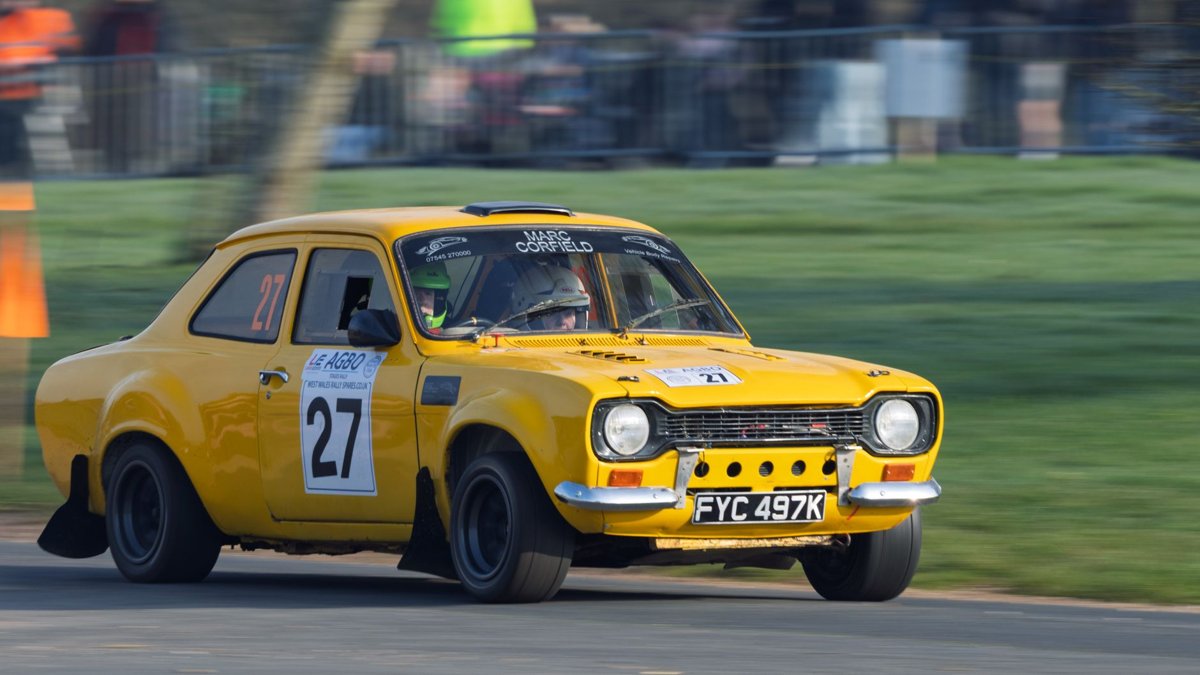
To become a racing driver in the UK you need three things: a race licence issued by Motorsport UK, a car (or kart) that passes scrutineering for the series you want, and a first event to enter. The core route is a Motorsport UK "Go Racing" pack, an ARDS test at a licensed circuit, and then your novice licence — which you can hold in your hand within a few weeks and for well under £500 if you already have a suitable car. Everything else is detail, and the detail is what this guide covers.
You do not need to be young, rich or ex-karting to start. Plenty of first-time competitors are in their 30s, 40s and 50s. What you do need is a clear understanding of the steps, the costs and the disciplines, so you spend your money in the right order.
The quick answer: how to become a racing driver in the UK
Here is the standard path for four-wheel circuit racing, which is the route most people mean when they ask how to become a racing driver in the UK:
- Decide what you want to race. Circuit cars, karts, rally, sprints and hill climbs all have different licences, costs and entry routes.
- Buy the Motorsport UK Go Racing pack. This contains the official guide, the application forms and a medical declaration.
- Book and pass your ARDS test at a Motorsport UK licensed circuit. It is a written theory test plus an on-track driving assessment.
- Apply for your Race National (Novice) licence. Send off the forms with your ARDS pass and medical.
- Choose a championship, prepare a car and enter your first race.
- Complete your novice signature races to upgrade from a novice licence to a full one.
For the full breakdown of what is in the pack and how the paperwork flows, read our guide to the Go Racing Pack for 2026.
Step 1: Choose your discipline first — it changes everything
The "become a racing driver" question hides a big decision. Your licence, your budget and your first steps all depend on which corner of motorsport you enter. The main options:
- Circuit racing (cars) — wheel-to-wheel on venues like Brands Hatch, Silverstone or Croft. Needs a Race licence and ARDS test. The classic answer to this question.
- Karting — the cheapest genuine motorsport and the traditional starting point. Needs a kart licence, not an ARDS test, and you can start young.
- Rallying — stage rallies need a rally licence; you also need a co-driver and a rally-prepared car.
- Sprints and hill climbs — you drive alone against the clock. These use an entry-level Interclub licence and are one of the cheapest, lowest-risk ways to compete on a permit.
- Autotests and autosolos — low-speed precision events, often in a road car, with the simplest licensing of all.
If your goal is simply to compete for the first time on the smallest budget, a sprint or hill climb in a car you already own is often smarter than jumping straight into circuit racing. You can browse what is running near you on our motorsport event map or the motorsport calendar and see the disciplines side by side.
Step 2: The Go Racing pack and your medical
For circuit racing, the journey formally starts with the Motorsport UK Go Racing pack. It contains the official competitor's guide, the licence application, and the medical self-declaration (a Competitor's Medical Declaration form, D35, or a full medical depending on your age and licence grade).
Complete the medical section honestly — a GP signature is required for some grades and ages. Get this done early, because a booked ARDS test with no valid medical is a wasted day.
Step 3: The ARDS test — what it is and what it costs
ARDS stands for the Association of Racing Drivers Schools. The test has two parts on the same day at a licensed circuit:
- A theory/written test covering flag signals, safety and the basics from the Go Racing guide.
- An on-track driving assessment with an ARDS instructor, usually in the school's car, checking racing lines, control and that you are safe to share a circuit.
Budget realistically. The test fee, car hire, licence fee and medical add up. We break the numbers down in full in our guide to the ARDS test cost in the UK for 2026, but as a rough planning figure expect the ARDS day plus your licence to land somewhere in the region of £250–£450 depending on circuit and whether you use their car.
Step 4: Get your licence and enter your first race
Pass the ARDS test and you submit your paperwork to Motorsport UK for a Race National (Novice) licence — a card marked with novice crosses. You keep those crosses until you complete a set number of signature races cleanly, then upgrade to a full Race National licence.
Now you need a series. Pick a championship that suits your car and budget — there are affordable one-make and clubman series designed specifically for newcomers. Read the championship regulations carefully: they dictate the car spec, safety kit, tyres and eligibility. Our walkthrough on how to enter your first motorsport event covers the entry process, and you can find every fixture in one place at Motorsport Event Finder.
Do you need a licence at all? Track days vs racing
A common confusion: track days are not racing and do not need a race licence. If you just want to drive a circuit fast without wheel-to-wheel competition, a track day is a cheaper, licence-free first taste — and a brilliant way to build confidence before your ARDS assessment. See our honest take on whether you need a licence for a track day, and our complete beginner's guide to your first novice track day. Many successful racers do a couple of track days before booking ARDS — it makes the on-track assessment far less daunting.
What it actually costs to start racing
Costs vary wildly by discipline, but here is a realistic planning table for the first-year fixed costs of getting licensed. These are indicative UK ranges — always check current Motorsport UK and circuit fees, as they change year to year.
| Item | Indicative cost | Notes |
|---|---|---|
| Go Racing pack | ~£100 | Includes guide, forms, medical declaration |
| ARDS test (with school car) | ~£200–£350 | Theory + on-track assessment |
| Novice race licence | ~£100+ | Grade dependent |
| Medical (if GP fee applies) | ~£50–£150 | Varies by GP surgery |
| Safety kit (suit, helmet, HANS, gloves, boots) | ~£500–£1,500 | Buy to current FIA standards |
The car itself is the big variable. A well-sorted clubman car in a budget one-make series can be bought for a few thousand pounds; a professionally built machine costs a great deal more. If you are building or tuning your own car, engine specialists like GMR's guide to K20 individual throttle bodies are worth a read before you spend on performance parts.
A sensible order to spend your money
- Watch races in your chosen discipline — use the calendar to find one near you.
- Do one or two track days to build seat time.
- Buy the Go Racing pack and sort your medical.
- Book and pass ARDS.
- Choose your championship, then buy the car that fits its regulations — not the other way round.
- Buy safety kit to the exact standard your series demands.
FAQ
How much does it cost to become a racing driver in the UK?
Getting licensed — the Go Racing pack, ARDS test and novice licence — typically comes to somewhere around £400–£600 including safety-related admin, before you buy a car and safety kit. Racing itself then costs per season depending on the championship, but the licensing itself is affordable.
How old do you have to be to race in the UK?
It depends on the discipline. Karting starts young (some categories from around 8), while car racing licences generally start at 16 for certain categories. Age limits and grades are set by Motorsport UK, so check the current regulations for your chosen series.
Do I need to have done karting first?
No. Karting is a great foundation and cheap seat time, but it is not a requirement for a car race licence. Many people go straight to an ARDS test and a clubman series as adults.
How long does it take to get a race licence?
If your medical and paperwork are ready, you can complete the ARDS test in a single day and have your novice licence within a few weeks of applying. The slowest part is usually organising the medical, so start that early.
Start with what's on near you
The best first move costs nothing: go and watch. Seeing a club meeting up close tells you more about a discipline than any guide, and you will often be able to chat to competitors in the paddock about how they started. Find every UK fixture — circuit, kart, rally, sprint and hill climb — on Motorsport Event Finder, then plan your route from spectator to grid.
Looking for an event? Browse every UK motorsport event, see the calendar.